TCGScan - Poke Card Scanner
PIXELDRILLSports
4.421.00 Reviews
- Version
- 2.9
- Installs
- 100.00K
- Age Rating
- Everyone
Screenshots
Our Review of TCGScan - Poke Card Scanner
 Analysis by Appyee
Scanning a Pokémon card is fun for about five minutes; deciding whether a scanner deserves a permanent place on my phone takes longer. TCGScan - Poke Card Scanner makes a strong first impression because it focuses on a simple collector problem: identify cards quickly, get a sense of their value, and keep an eye on a collection without turning the process into a research project. I found it most useful when I wanted a fast starting point rather than a replacement for careful card checking.
That distinction matters. A scan can help me recognize a card and organize my next step, but it should not be treated as the final word on a card’s sale price. Condition, language, set details, printing differences, and current demand can all change what a card is really worth. Used with that mindset, this free sports app from PIXELDRILL is a practical companion for casual collectors, parents sorting a child’s cards, and anyone returning to Pokémon cards after a long break.
From quick novelty to a useful collecting habit
I look at this section as the point where a quick scan becomes a repeatable way to handle new cards, rather than a novelty I open once and forget. A simple routine—scan, set aside uncertain results, then verify the cards that matter—can keep the effort focused and make the collection easier to revisit. That raises a broader question: how comfortably does the app support different people and situations?
The first-week appeal is speed and low effort
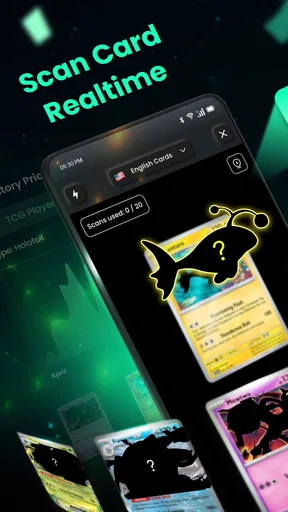
The most convincing part of TCGScan is the basic workflow. I can take a card, scan it, and move toward an identification and value check without manually typing a long card name into a search field. That is especially helpful when a collection contains unfamiliar Pokémon, older-looking cards, or several cards that appear similar at a glance.
In the first week, the app feels rewarding because it turns a scattered pile into something easier to understand. Instead of wondering which cards deserve closer attention, I can make a quick pass, separate ordinary cards from possible standouts, and return to the interesting ones later. That makes the scanner useful during a sorting session, even when I am not trying to sell anything.
I would still use good lighting and keep the card flat while scanning. A bent sleeve, glare, a busy background, or a rushed camera angle can make the process less reliable. The practical trick is to treat the first scan as a shortlisting tool. If a result looks surprising, I would rescan it and then verify the exact card details before making a decision.
The app is free to install and suitable for Everyone, which lowers the barrier for families and newer collectors. It runs on Android devices using version 8.0 or later. That broad compatibility is helpful for people using an older phone, although the experience will naturally depend on the camera and general condition of the device.
What I would do with a newly opened collection
My preferred first session would not be to scan every card randomly. I would divide the cards into small groups, remove anything that creates glare, and scan one group at a time. I would note which cards deserve a second look, then compare those results with the physical cards in good light.
This workflow avoids a common collector mistake: confusing a high-looking digital estimate with a guaranteed cash value. A card may be identified correctly while still needing a closer look at its condition and exact version. TCGScan gives me a faster route to that investigation, not permission to skip it.
It is also useful when buying a mixed lot from a friend or local seller. I can scan cards during an initial review and recognize which parts of the lot need more attention. I would not use a quick scan alone to negotiate a large purchase, but it can prevent me from overlooking a card that deserves separate research.
Where it fits beside ordinary alternatives
The usual alternative is manual searching through a card database, marketplace listings, or collector forums. Those methods can be more detailed, but they also require accurate typing and patience. A scanner is better when I have a physical stack in front of me and want to move quickly through it.
Manual research remains better for unusual cases. If two printings look almost identical, if the card is in another language, or if the value depends heavily on condition, I would rather slow down and compare precise information. TCGScan is most effective at the beginning of that process, while traditional research is stronger at the end.
That balance is important for long-term satisfaction. If someone expects one camera pass to settle authenticity, grading, or an exact selling price, the app will feel disappointing. If the goal is to reduce repetitive searching and create a sensible collection workflow, it earns its place more easily.
The practical value of tracking over time
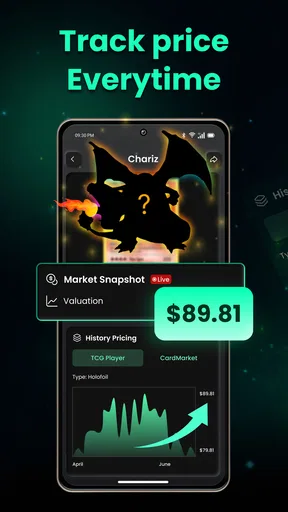
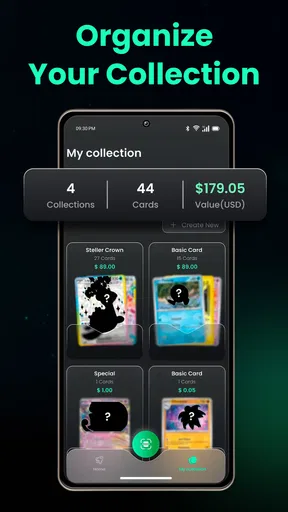
The app’s appeal becomes more serious when I stop thinking of it as a one-time scanner. Tracking prices and collection details can give a collector a reason to return after the initial sorting excitement has gone. I can use an early scan to establish a starting point, then revisit cards that matter to me instead of repeatedly checking everything.
A useful habit is to separate personal collecting from selling decisions. I might track a favorite card because I want to see how its market changes, while tracking another because I am considering whether to trade it. Those are different goals, and the same number should not dictate both. A price movement can be interesting without being a command to sell.
Another worthwhile routine is scanning new additions shortly after they enter the collection. Doing that while I still remember where each card came from makes organization easier. It also reduces the chance that a card becomes part of an anonymous pile that I will need to sort from scratch later.
Month-to-month value depends on repeated use
After the first month, the novelty naturally fades. The question becomes whether TCGScan saves enough effort to justify opening it again. For me, the answer depends on collection size and behavior. Someone who opens a few packs occasionally may only need it during sorting sessions. Someone who buys, trades, or reorganizes cards regularly can get more continuing value from tracking.
The strongest recurring use case is a changing collection. New cards arrive, duplicates move out, and cards that seemed unimportant can become relevant when interest changes. A tracker gives those changes somewhere to go. Without that habit, a scanner can easily become an app I use once, enjoy, and forget.
I would set a modest review schedule rather than checking prices every day. A monthly check is more sensible for ordinary collecting because it keeps the information fresh without turning the hobby into constant monitoring. For cards with unusually active interest, I might check more often, but I would avoid letting small movements dominate the experience.
There is also value in using the app before a trade. I can review the cards I am offering, identify which ones need condition notes, and avoid relying on memory. That does not replace an honest conversation with another collector, but it makes the conversation clearer. Both sides can discuss the actual cards instead of vague assumptions about what is “probably” valuable.
Maintenance is manageable, but not invisible
Any collection tool creates a small maintenance obligation. Scanning a card is quick; keeping information useful requires occasional correction, review, and organization. If I add cards without a consistent routine, the collection record becomes less trustworthy over time. The app can reduce the work of identification, but it cannot make collecting completely automatic.
I would also keep physical and digital organization aligned. If a card is sold, traded, or moved to another storage box, I would update the record soon afterward. Otherwise, the app may tell me that I own something that is no longer in my binder. That kind of mismatch is not a flaw unique to TCGScan, but it is the main reason tracking tools lose value.
Price information also needs a cautious reading. Market values can shift, and a general estimate may not reflect a card’s actual condition. A clean card and a heavily played card may have very different outcomes even when the identification is identical. Before listing or trading, I would use the scan to guide research, then inspect the card and compare relevant listings myself.
The paid side of the experience deserves attention too. The app is free, but in-app purchases range from $3.99 to $39.99 per item. That does not automatically make it poor value, but it means I would test the free experience with my own collection before paying for anything. The right question is not whether an extra feature sounds useful; it is whether it removes a repeated task I genuinely perform.
Where collector fatigue starts
The biggest source of fatigue is repetitive scanning without a clear purpose. Running every card through an app can feel productive while producing little practical benefit, especially when most of the collection consists of cards I already understand. I get more from choosing a goal first: organize a binder, prepare for a trade, review recent purchases, or identify cards worth researching.
Another fatigue point is uncertainty around borderline results. If a scan identifies a card but leaves me unsure about the exact printing or condition-adjusted value, I still have work to do. That is normal for collectible cards, but users expecting a fully automated answer may find the second stage frustrating.
There is also a risk of letting estimated value change the emotional side of collecting. A favorite card can be worth keeping even when its market value is modest, and a valuable card may not be worth selling if it has personal meaning. I think the app works best when it supports decisions rather than making them.
Collectors with very advanced needs may prefer a more specialized database or a spreadsheet they can customize deeply. A manual system takes more effort, but it can provide greater control over fields, notes, purchase history, and personal categories. TCGScan is a better fit for speed and convenience than for someone who wants to design every part of a collection archive.
Small habits that make the app more useful
I found three habits particularly worthwhile. First, scan in batches instead of interrupting every opening or trade. Second, rescan any card that produces an unexpected result before acting on it. Third, use the app to create a shortlist, then inspect the physical cards separately for condition and exact details.
A fourth habit is to keep a “decision queue” in mind. Not every card needs immediate research. I would scan broadly, mark the cards that might matter, and only spend deeper time on those. This keeps the app from turning a relaxing hobby into administrative work.
Finally, I would use price tracking as context rather than a scoreboard. Looking at a card’s movement can help me decide when to research a trade or sale, but it should not encourage constant checking. The lasting value comes from better organization and faster decisions, not from watching every fluctuation.
Who should use it, and who should skip it
I would recommend TCGScan to casual and intermediate Pokémon card collectors who want a quicker way to identify cards and maintain an overview of what they own. It is also a sensible choice for families sorting shared cards, people returning to the hobby, and collectors who regularly receive mixed lots.
I would be more cautious recommending it to a serious seller who needs highly detailed condition analysis, exact market comparisons, or a complete business inventory. That user may need additional tools and a stricter record-keeping system. The scanner can still help with intake, but it should not be the only part of the workflow.
It may also be unnecessary for someone with a small, carefully organized collection who already knows every card. In that situation, the app’s main benefit appears when new cards arrive or when the owner wants to check changing values. If neither happens often, the long-term habit may not justify the extra step.
A grounded long-term verdict
After the first-week excitement, I think TCGScan survives best as a practical utility rather than a daily destination. Its lasting value comes from reducing the friction of sorting, identifying, and revisiting a collection. The app is not a substitute for collector judgment, especially when condition and exact versions affect value, but it can make the early part of that judgment much faster.
Its rating of 4.4 from around 1.9 thousand ratings suggests that many users find the basic idea useful, while more than 100 thousand installs show that it has reached a meaningful collector audience. The app was released on March 21, 2024, and version 2.9 is the current release, so I would keep it updated and judge it by how well it fits my routine rather than by the novelty of the first scan.
My final view is positive with a clear condition: TCGScan earns lasting space when I use it to support a repeatable collecting workflow, not when I expect it to make every valuation decision for me. It is free to start, easy to understand, and especially handy for turning a messy stack into a manageable shortlist. I would install it before a large sorting session, a trade review, or a collection cleanup, then keep it only if its tracking features continue saving me real time.
Verdict
Strengths of TCGScan - Poke Card Scanner
- Quickly identifies Pokémon cards using the phone camera.
- Useful for checking card prices before trading or selling.
- Supports collection tracking and card inventory management.
- Helps spot market trends through updated pricing information.
- Convenient for organizing cards without manual database searches.
Limitations of TCGScan - Poke Card Scanner
- Recognition may fail with damaged, reflective, or poorly lit cards.
- Price estimates can vary between markets and change frequently.
- Some features may require an account or paid subscription.
- Camera scanning can be slower when processing large collections.
- Results may differ for regional, promotional, or newly released cards.
Similar Picks in This Category
View All
BeSoccer: Soccer Live Score
BeSoccer apps4.3

Cricbuzz - Live Cricket Scores
Cricbuzz.com3.7

NFL
NFL Enterprises LLC2.4

Da Fit
MO YOUNG LIMITED3.6

ESPN
Disney4.5

LiveScore: Live Sports Scores
LiveScore Limited4.5
Frequently Asked Questions
What is TCGScan - Poke Card Scanner used for?
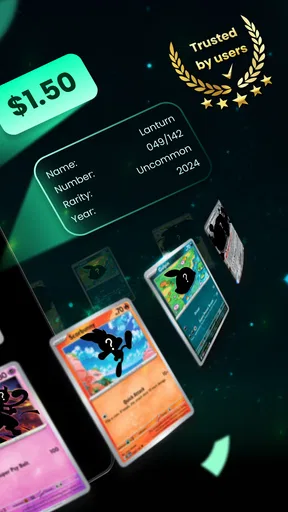
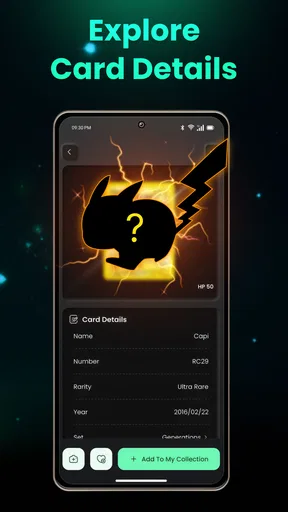
TCGScan - Poke Card Scanner is designed to help Pokémon Trading Card Game collectors identify cards by using a phone camera. After scanning a card, the app can provide useful information such as its name, set, rarity, and estimated market value, depending on the available database and supported card versions. It is especially useful for organizing collections, checking cards quickly, and getting a general idea of their current worth.
How accurate is TCGScan when identifying Pokémon cards and prices?
The scanner can recognize many cards quickly, but its results are not guaranteed to be perfect. Lighting, camera focus, card condition, language, unusual artwork, and similar card variants may affect recognition. Price information should also be treated as an estimate because trading-card values change frequently according to demand, condition, grading, and marketplace. Always compare important results with trusted card databases or current listings before buying or selling.
Does TCGScan support all Pokémon cards and languages?
TCGScan may support a broad selection of Pokémon cards, but coverage can vary by region, release set, language, and card type. New expansions may take time to appear in the database, while promotional cards, older prints, special editions, or cards from less-supported markets may be harder to identify. If a scan fails, checking the card number manually or improving the photo can sometimes produce a better result.
Is TCGScan - Poke Card Scanner free to download and use?
The app may be available to download for free, but some features can depend on the version installed, platform, or subscription and in-app purchase options. Advanced tools such as unlimited scans, detailed pricing, collection management, or an ad-free experience may not be included in the basic version. Before using the app extensively, review its store listing and in-app purchase details so you understand any limitations or recurring costs.
Is it safe to use TCGScan with my Pokémon card collection?
Using a card-scanning app is generally low risk when you only photograph cards and use the app for identification or collection tracking. However, you should review the permissions it requests and avoid granting access that is unrelated to scanning or saving collection data. If the app offers account synchronization or cloud storage, read its privacy policy and consider whether you are comfortable storing collection information online, particularly if your cards have significant value.
